
Commercial carpet cleaning is one of those business expenses that tends to get pushed to the bottom of the priority list, especially when there’s a vacuum cleaner sitting in the supply closet. It seems logical enough: run it over the floors a few times a week, and the carpets look fine. But there’s a significant difference between carpets that look clean and carpets that actually are clean, and that gap is exactly where many businesses get into trouble.
What Vacuuming Actually Does (and Doesn’t Do)
Regular vacuuming is genuinely important, and we’d never tell you to skip it. It pulls up surface debris, keeps things looking tidy between cleanings, and slows down the buildup of loose dirt. But it stops there. The fibers in commercial carpeting hold onto far more than what a vacuum can reach: ground-in soil, bacteria, allergens, oils tracked in from outside, and moisture that never fully dried. Over time, all of that settles deep into the pile and the carpet backing, well below the surface layer a vacuum touches.
In high-traffic commercial spaces, this process happens faster than most business owners realize. Offices, retail floors, restaurants, and waiting rooms in places like Providence, Warwick, and Cranston see a lot of foot traffic, especially heading into the fall and winter months when people are tracking in more debris, moisture, and road residue. What looks acceptable from a few feet away can be harboring a significant amount of embedded grime up close.
The Hidden Costs of Skipping Professional Cleaning
Here’s what tends to surprise business owners most: neglecting professional carpet cleaning doesn’t save money, it actually costs more in the long run. Carpet fibers break down faster when dirt and grit are allowed to accumulate deep in the pile. Those particles act like tiny abrasives with every step, cutting into the fibers over time. Carpets that receive regular professional cleaning simply last longer, and replacing commercial carpet is a significant expense.
There’s also the matter of air quality. Commercial carpets act as a kind of filter, trapping airborne particles until they’re removed by proper extraction. When that extraction doesn’t happen, the carpet starts releasing those contaminants back into the air, which can affect the comfort and health of employees and customers alike. For businesses in Attleboro, East Greenwich, and the surrounding areas that work in professional or client-facing environments, that’s not a small concern.
What Professional Commercial Carpet Cleaning Actually Involves
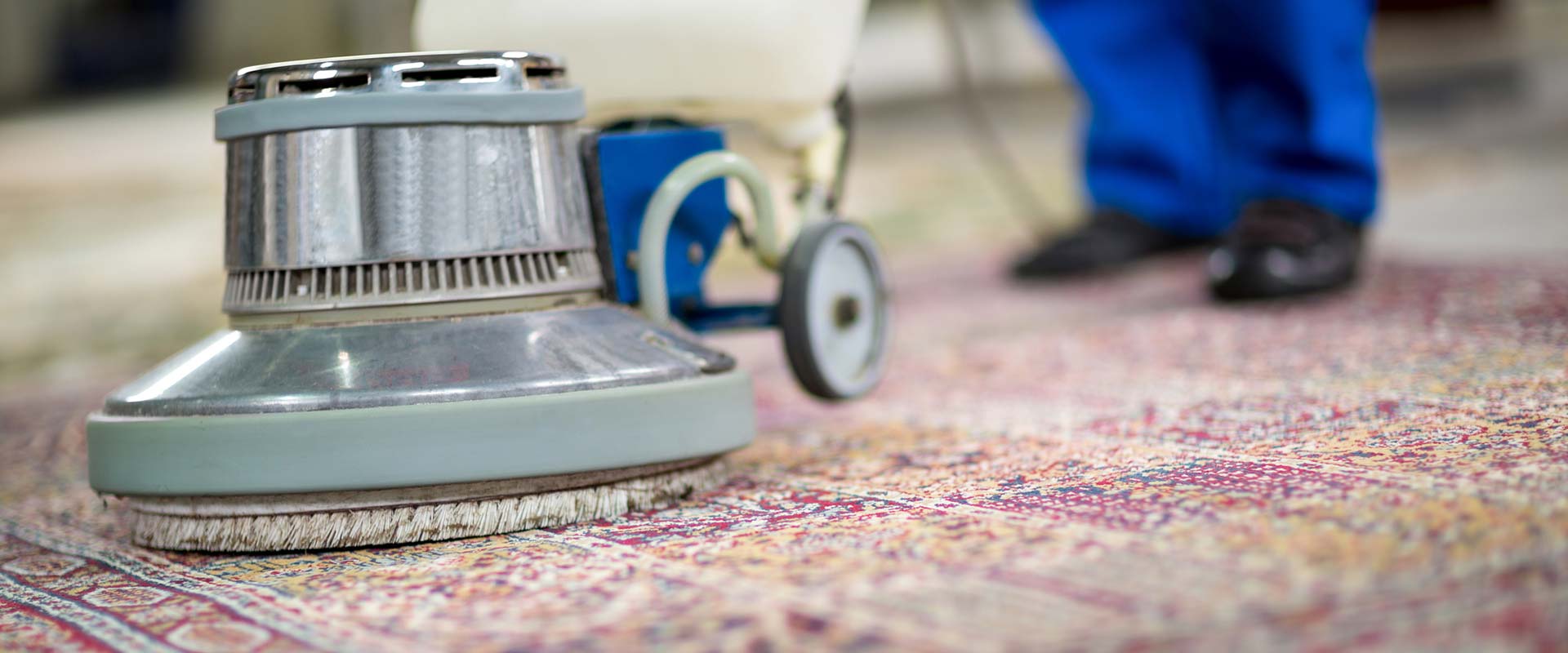
The process is meaningfully different from anything a standard vacuum or even a consumer-grade rental machine can accomplish. Hot water extraction, sometimes called steam cleaning, forces hot water and cleaning solution deep into the carpet pile and then extracts it along with the loosened soil, bacteria, and debris that have been building up for months. The result is a genuinely clean carpet, not just a surface-level refresh.
We’ve been doing this work since 1986, and in that time we’ve cleaned carpets in every kind of commercial setting imaginable, from small professional offices to large-scale facilities throughout Rhode Island and Eastern Massachusetts. Our certified cleaners know how to assess fiber type and soiling level before choosing the right method, which matters more than most people expect. Not every commercial carpet responds the same way, and using the wrong approach can damage fibers or leave residue behind.
We’re also bonded and insured, which is a straightforward thing that many business owners understandably want confirmed before letting a cleaning crew into their space. Pricing is honest and upfront with us, no surprises on the invoice, and we offer free estimates so there’s no guesswork on your end.
How Often Should Businesses Schedule a Professional Cleaning?
There’s no single answer that fits every situation, but a reasonable starting point for most commercial spaces is two to four times per year, with higher-traffic areas leaning toward the more frequent end. Facilities with food service, healthcare settings, or customer-facing lobbies often benefit from a more regular schedule. October is actually a smart time to get this on the calendar, giving carpets a thorough clean before the heavier winter foot traffic really sets in.
The in-house vacuum isn’t going away, and it shouldn’t. But it works best as a maintenance tool between professional cleanings, not as a replacement for them. Businesses that understand that distinction tend to have better-looking spaces, longer-lasting flooring, and fewer complaints from staff and customers.
If you’re not sure where your carpets stand or what a professional cleaning schedule might look like for your business, we’re happy to talk it through. Give us a call or drop us an email and we’ll get you a free estimate with no pressure attached.
